
How low can you go? Installing siding on foundation walls
A common question during our initial consultations with clients is how far down we can run the siding on their home. Do you just cover up the framing, or can you cover up that ugly cement stuff too?
Yes, we can install the siding into that ugly cement stuff (most often this is parging, a cement coating applied over top of the foundation), but the vast majority of the time we’re going to stop our siding at the parging line.
The residential siding products commonly installed in Alberta are designed for installation into wood - our most common residential framing. That point on your home where the parging starts (or an inch or two above or below it) is going to be where your framing and foundation walls meet, and thus a natural stopping point for the siding. All else equal (and there are exceptions, though not common), if you’re planning a siding renovation the contractor will be expecting to replace everything above the parging line.
The advantage of stopping at the parging line is going to be cost. Because siding is designed for installation into wood, and in the majority of residential homes we use wood framing, installing into the area above the foundation requires little additional work.
And, because the materials in the foundation area (whether parging, exposed foundation, or masonry) are not the same material of what’s above, they aren’t on the same maintenance cycle and not necessarily requiring replacement at the same time. For those reasons, siding work is typically above the parging line.
So why do we drop our siding into the foundation sometimes? There are a few reasons for this. Most simply, if the current siding is already is already running down into there, we want to match the aesthetic of what was there previously, so we’ll make accommodations to do so. As most people prefer the look of siding over parging/foundation, that’s something we do for our clients to make sure they love how their new exterior looks.
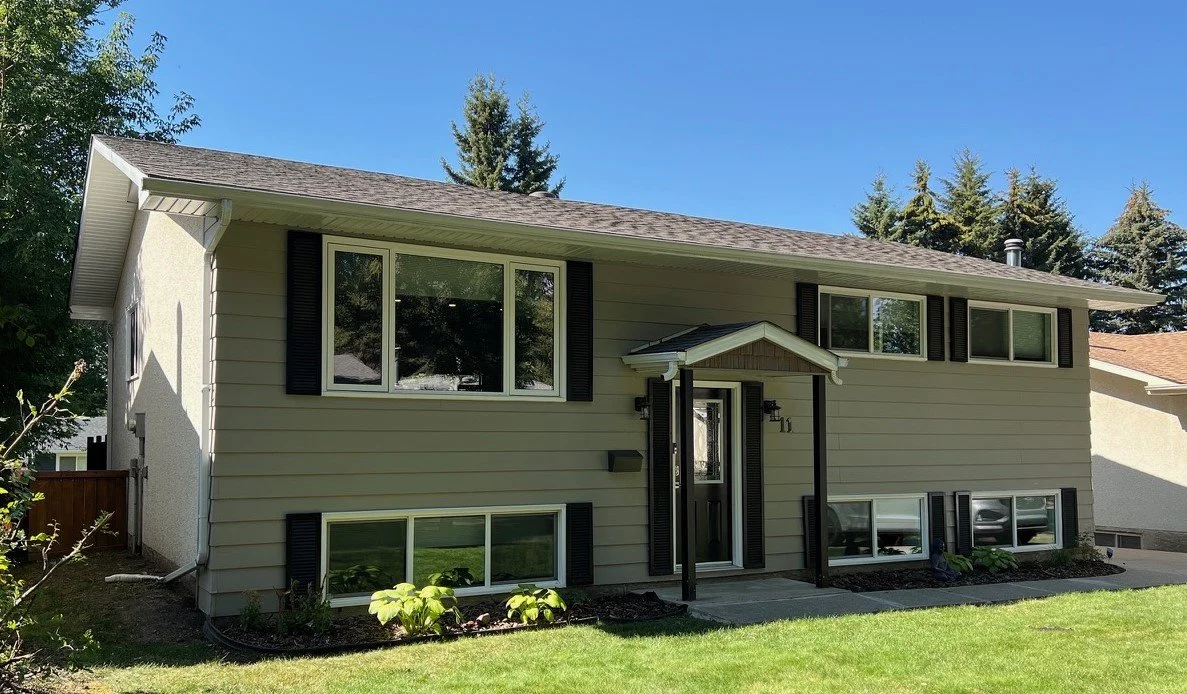
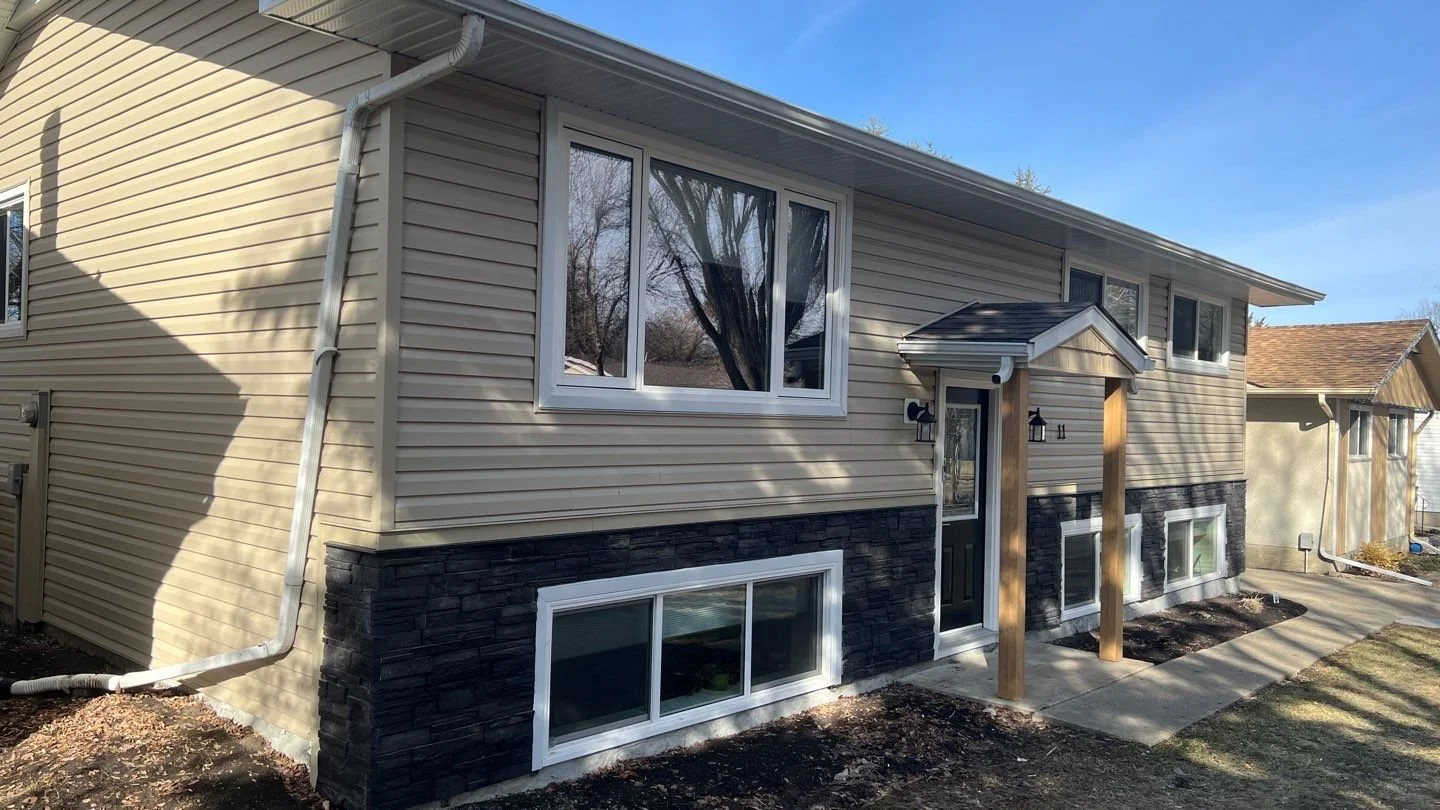
The existing siding on this home was installed into the foundation walls. When installing our new siding/faux stone, we installed wood strapping for attachment into the foundation walls to match the original aesthetic.
Another reason people will opt to have the siding go past the parging line and into foundation is to add exterior insulation in areas of the home that are cold. Insulation running past the base plate of the framing can help ensure a traditionally cold part of an older home gets the maximum amount of comfort added when having their home re-sided.
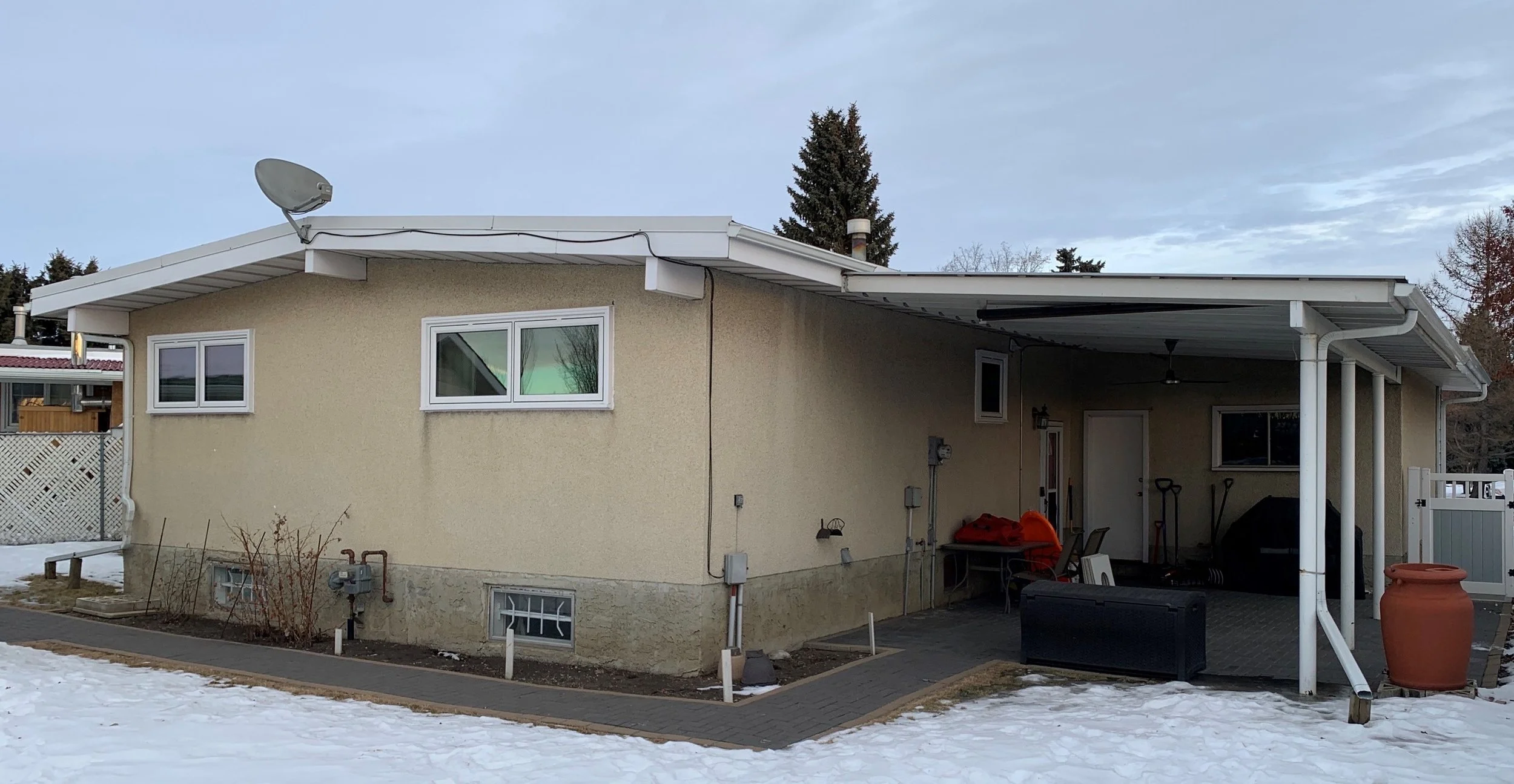
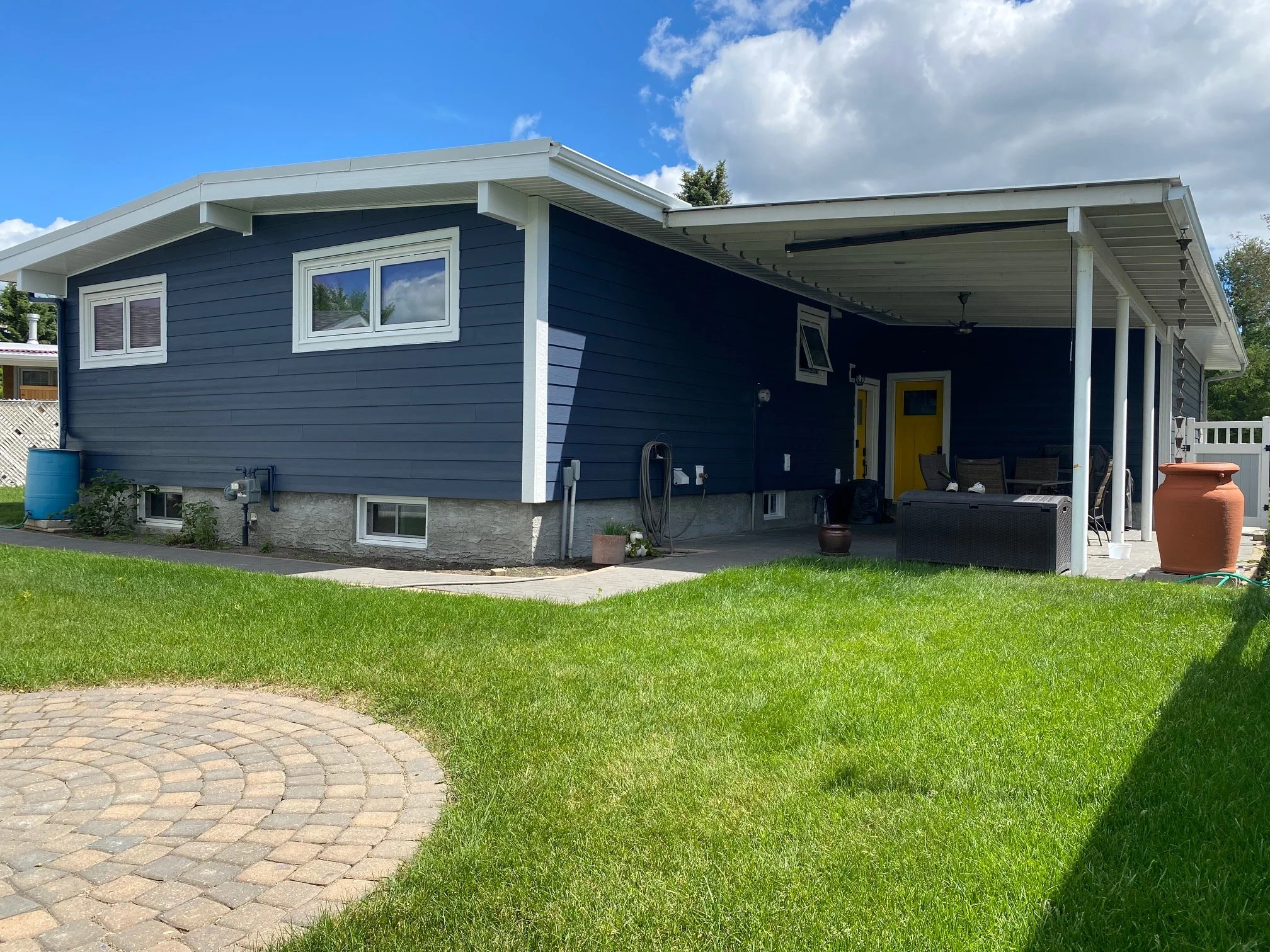
Dropping the insulation down further into the foundation played a role in reducing the gigajoules used annually for this home by 47% (along with the exterior insulation added, new windows, and air sealing).
Because the siding installed on this residential home above needed to be installed into wood, we have to attach wood strapping into the foundation with specialty concrete anchors. This process is feasible but more costly than insulating/strapping into framing.
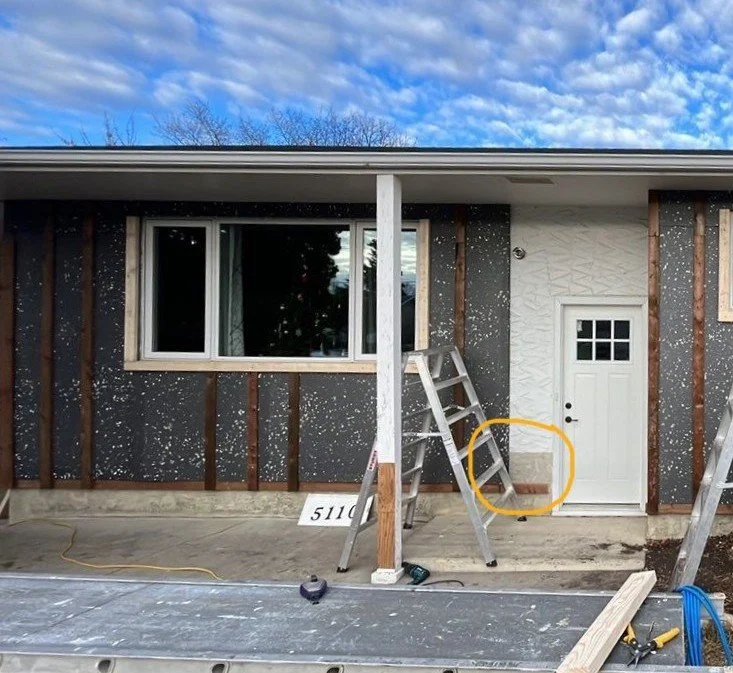
The yellow circle in the photo above highlights the area where foundation walls were to be covered on this project.
Because it is a more costly process, we typically only install into foundation walls for insulating purposes a few times a year. And, insulating one area (ex. where framing is present) can have a positive insulating effect on the other (ex. foundation walls) -even without installing insulation directly in that space.
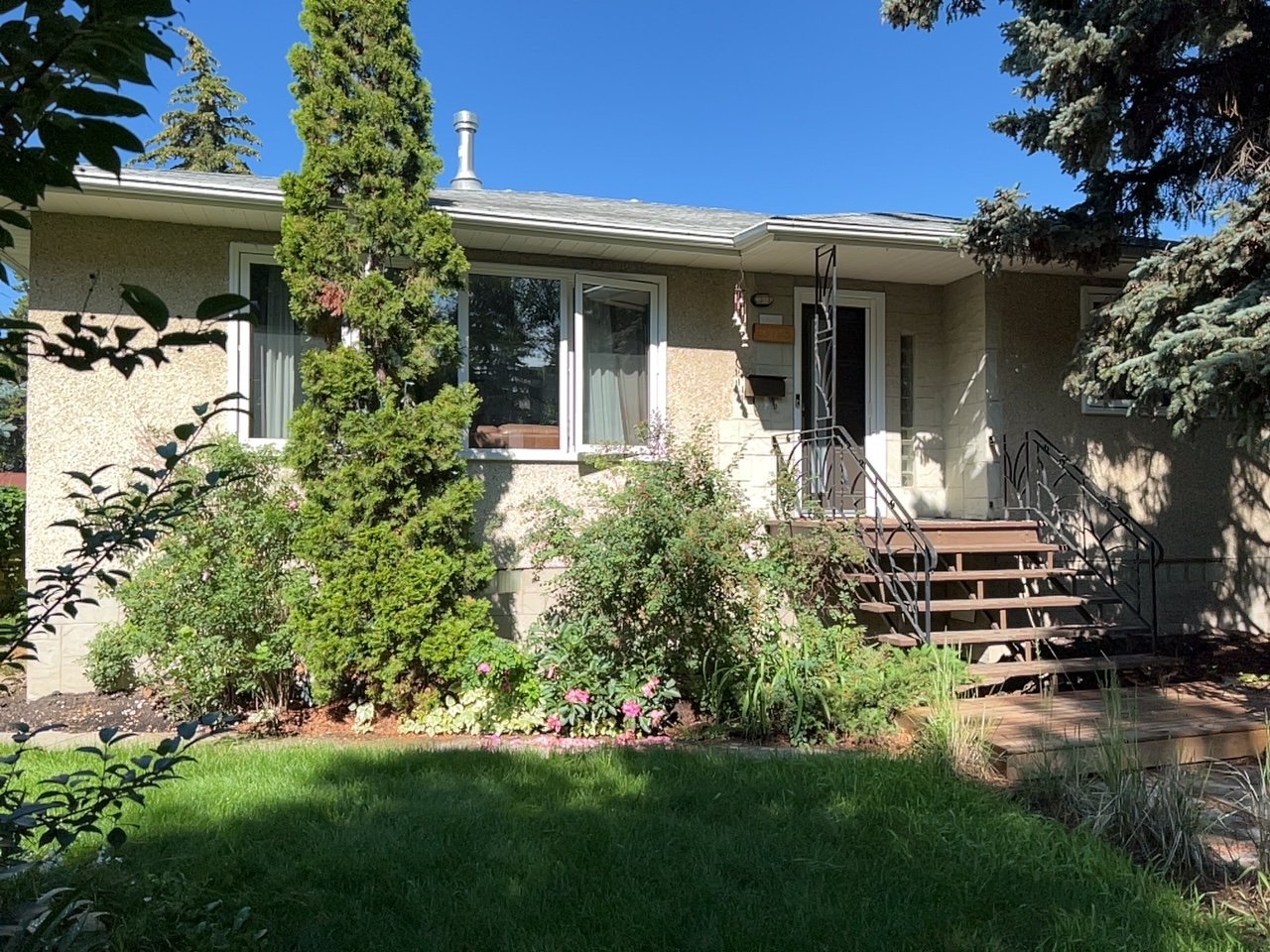
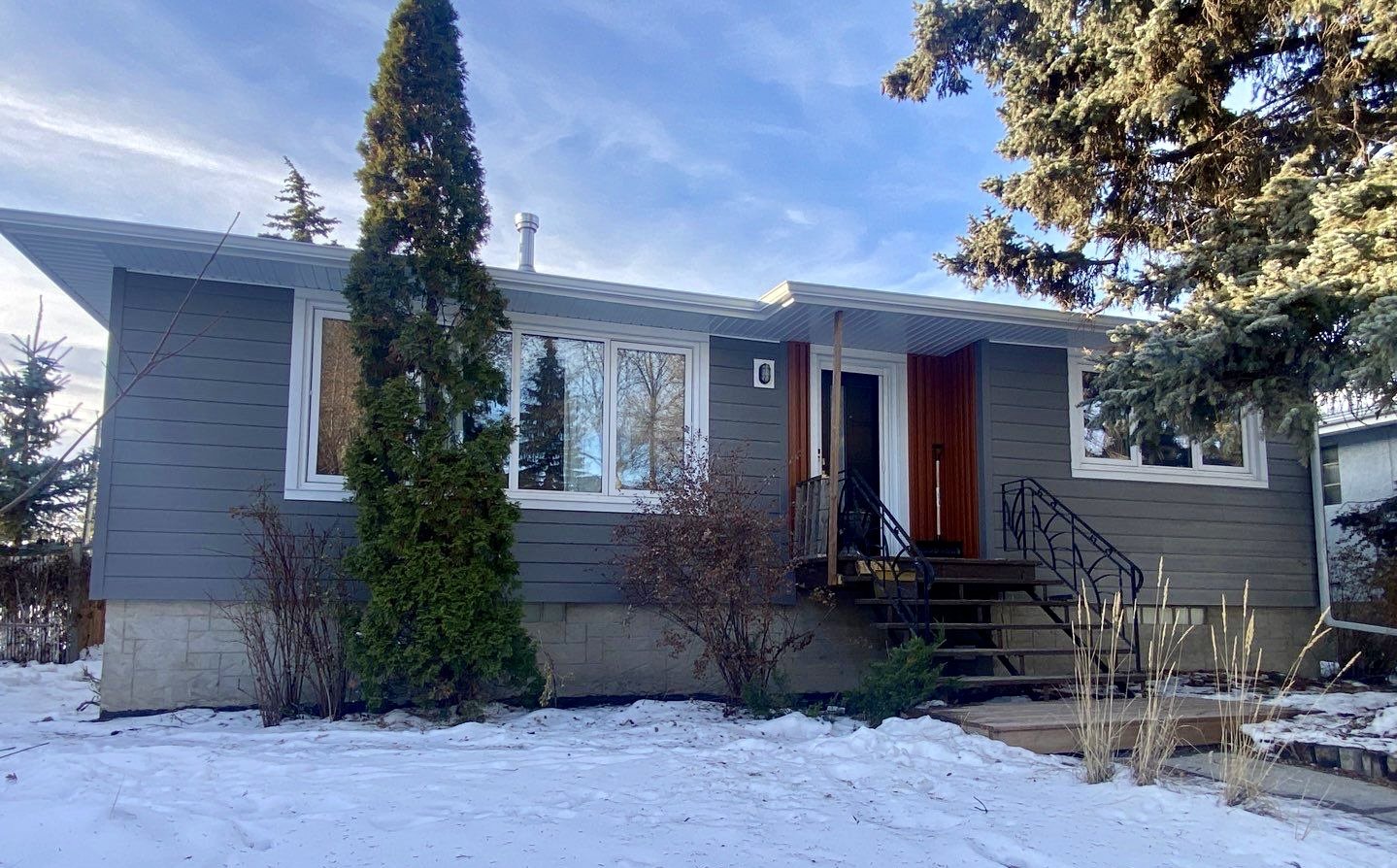
While we didn’t drop our insulation/siding into the foundation walls on this project above, the homeowner let us know that once the project was finished their basement cold room was no longer keeping their wine chilled!
If you’d like to cover up your foundation walls as part of your siding renovation - let us know! We won’t assume you want it down further than it currently is without you telling us, but we would be happy to walk through your options with you and price them out accordingly.